
The voices of our elders must still be valued in our community. As far back as I can remember, there was always a hierarchical that was precedent in our rearing. I was raised to always respect my elders. Also, as a child, I was made to believe that my elders had my best interest at heart. Today, I still believe that. That’s why I’m not opposed to elders pouring their life into me. I receive it openly and appreciatively.
As I reflect on my life as a seasoned man, an elder himself, I recall the many things the legends who raised me said. Things such as: Respect will take you places money can’t. That little piece of red flannel in your mouth can get you in a world of trouble. Don’t let your mouth write a check that your ass can’t cash. You made that bed – lay in it. A hard head makes a soft behind. Before leaving the house, my grandmother would always say “where’s your hat? A man isn’t fully dressed unless he has a hat and a handkerchief.” And to this day, I cringe inside when I see a young man and lady walking. If he isn’t to the curbside, it bothers me.
My wife and I laugh now as we both recall the things we were told as children and young adults by our elders. And we both say, “our elders ain’t never lied to us.” We may not have wanted to hear it. Or we may not have like the tone it was said in. But in hindsight, they were telling the GOD’s honest truth.
Sadly, over the years, something eerily strange happened to our community. The behaviors of our elders compromised the value of their life lived. In some cases, due to them falling victim to systemic societal ills their voices were disregarded. If not completely silenced. The youth successes overshadowed the unrewarded paths laid by those who came before us. Those whose shoulders we stood on just became step stools. They elevated us, but when we got into position, we began to disregard what they valued.
I’ll be remiss not to say some elders became envious of those they should’ve been guiding. They intentionally withheld information. It was as if they couldn’t commit themselves to helping someone else get ahead. When these things transpired, the community became fractured as a whole. We begin to live waywardly because respect for hierarchy was and still remains invalidated. And the things that we once held in high regard in our community, like respect for our elders, diminished.
When I first heard an elementary school student say to an adult, “my mama said, if you want respect you have to give respect. I don’t have to respect you if you don’t respect me. I don’t care how old you are.” I was flabbergasted. I would’ve been slapped so hard across the face for uttering those words as kid. First by the adult at school. Secondly by the adults at home. And thirdly, by any adult in the community that heard about my disrespect at school. And no, it would not have been considered abuse. It would have been rightful correction. Once the paradigm shifted in our community, fear and disrespect became rooted. And destruction and chaos became prevalent.
Children don’t have any respect for their elders. For whatever reasons. And the elders are terrified of their children. For many reasons. Our society carries the burden of this dysfunction. Which makes it paramount that there be an urgent sense of restoration to our community. Elders, you can’t be scared to engage your children. Children listen to and believe that those who are invested in your life have your best interest at heart. Obviously, I know it’s not that simple to correct decades long issues. But we have to start somewhere. Communication is the key source.
If I may, let me share a personal story with you. An exchange that I had with an elder. I was 22 years old. I was fresh from the Million Man March, enthused and encouraged to serve my community. I wrote a mentor proposal to work with 9th grade boys who were having difficulties transitioning from middle school to high school. I wasn’t much older than the young men I was mentoring. An interaction with a gentleman named Mr. Connie Lipscomb led me to a pivotal moment in my life. I met a pastor of a prominent church. His name is Pastor P.M. Smith of Huber Memorial Church. Mr. Lipscomb shared with Pastor P.M Smith that I, along with my partner, were mentoring high school boys. Upon introduction the Pastor immediately asked, “so you’re mentoring young men, but do you have a mentor?” We didn’t have mentors. He went on to probe, “have you graduated college yet? How many more credits do you need to graduate?” We hadn’t graduated college yet. And honestly, I couldn’t tell him how many more credits I needed at the time. A lot! Then the last question Pastor P.M Smith asked was one that put it all into perspective for me. He said, “what have you done to qualify yourselves as mentors for young men not much younger than you? What could you tell them? Where could you lead them?”
For everything he asked, I gave a foolish rebuttal. My main man, my partner, refrained from saying one word during the whole meeting. Once the meeting was over and we exited the church, as we were some distance away, I asked my friend, “why didn’t you say anything you?” And without hesitation he said, “because everything he said was correct.” My response, “I know.”
I knew the Pastor was correct with every inquiry he made. Inspired by the Million Man March, our hearts were dedicated to serve, but we weren’t ready to become servants. We were still kids ourselves. When I shared this story recently, a couple of people asked me, “why did the Pastor try to discourage you”? One went on to say, “too many of our elders discourage the youth and not lend support.”
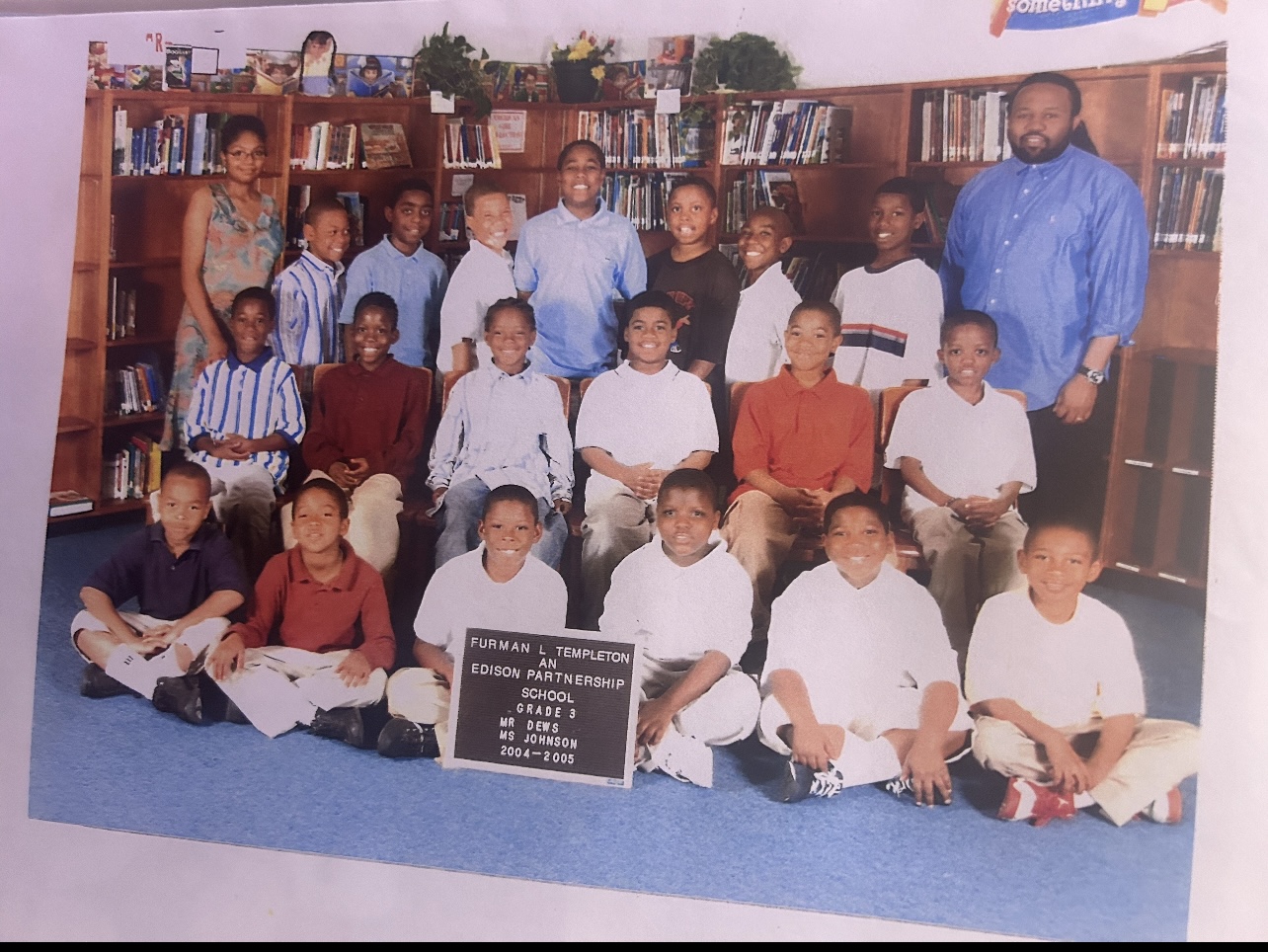
Before I began to speak, immediately I smiled, recognizing the breakdown. I said “no sir I wasn’t discouraged at all. Because everything he said was correct.” One clear disconnect between our elders and the youth is the tone in which things are said. The mannerisms used can also create a gap. Sometimes chastisement and stern correction are misinterpreted as lack of support and discouragement. That’s not always the case. I went on to tell the young brother. The same Pastor that I referenced in my story from 1995 became my Pastor in 2001. When I led my family to Huber Memorial Church. At the time I was teaching an all-boys elementary school class in West Baltimore. And that same Pastor who asked me challenging questions at 22 years old, called me every morning. It was between 5 and 5:30am to make sure I was up. He wanted me to be ready to serve. He prayed with me. He prayed for me. And for an entire school year, he encouraged and supported me in my efforts to teach young boys who looked like me and were deemed at-risk. His efforts in my life made an indelible mark on both my professional and personal growth. And it all started with a tough conversation.
So, if I may, respect your elders. Value your elders. Listen to your elders. You can benefit from the life they’ve lived. You can avoid pitfalls and traps from the life they’ve experienced. Your life could be accelerated and truly blessed by being receptive to the wisdom of your elders.
And elders, please try to understand the youth. Our youth are worth investing in. Make them feel valued. Make them feel heard. Make them feel seen. Be the example of what you want to see.
Sincerely. Brother Cornell Dews
 Thedewsperspective
Leave a comment